An inspiring evening of dialogue, connection, and community
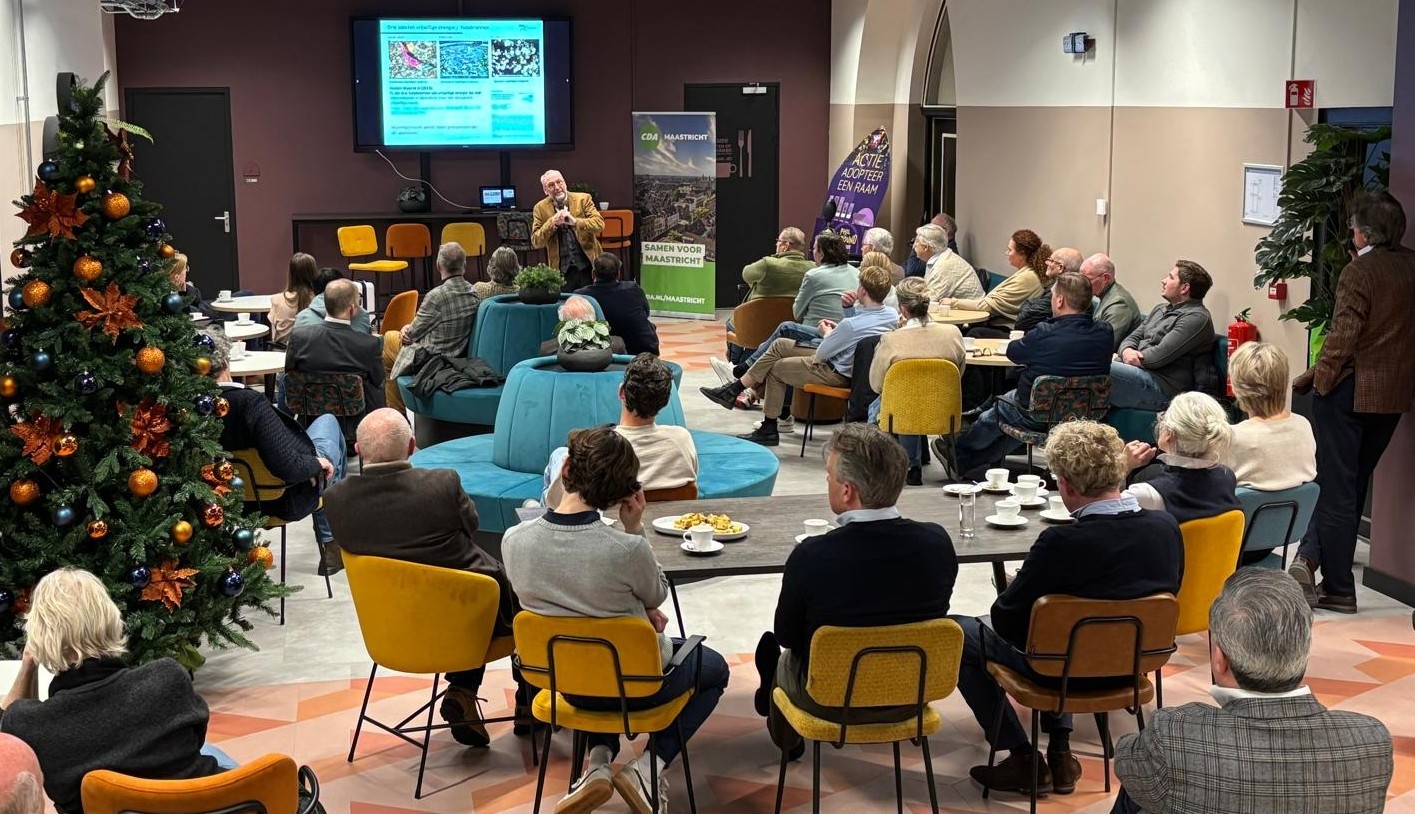
On a lively evening in Maastricht, a diverse group of women gathered for the very first English Women’s Political Café “What can Maastricht do for you, and you for Maastricht?” The event brought together students, professionals, and local residents for an open and honest discussion about life in Maastricht, and how everyone, newcomers and locals alike, can help shape its future.
The evening was hosted by Liesbeth Besselink, candidate for the Maastricht City Council for the CDA, who warmly welcomed everyone. Maastricht’s next municipal elections might seem far away, March 18, 2026, but they will be an incredibly important moment for our city. That’s exactly why we’re here tonight.” Liesbeth Besselink, who has spent 18 years at Zuyd University of Applied Sciences as a lecturer, coach, and now advisor to nine School Participation Committees, emphasized her belief in “the power of the connecting middle” politics that unite instead of divide, and that put education, social safety, and opportunity at the heart of local policy.
Voices of the Community
Moderated by Salwa Baray, a European Studies student at Zuyd University, the evening featured a lively panel including Lesley Munashe Chenewaita, Giulia Lana, Nora Tarraf, and guest of honor Gaby Heine, Chair of the CDA community council group.
Together with the audience, they explored key themes shaping life in Maastricht from housing and study life, to work, safety, and community inclusion.
International students shared challenges in finding affordable housing and navigating Dutch rental contracts, sometimes facing discrimination or insecurity. Others spoke about adjusting to the academic system, managing language barriers, and balancing part-time jobs with studies.
One recurring concern was social safety:
“Many female students no longer feel comfortable walking alone at night,” Besselink noted. “Some call friends during the commute or cycle home while on the phone. This is something Maastricht must address, because feeling safe in your own city is not optional.”
Building Bridges, together
Beyond identifying problems, participants also shared ideas for solutions, from better integration between universities, businesses, and the municipality, to creating smaller focus groups and round-table sessions to continue the dialogue.
“Although our group tonight was small,” Besselink reflected, “it was incredibly valuable to listen to your concerns, ideas, and personal stories. These will be taken forward within the CDA for Maastricht. Perhaps more intimate follow-up discussions could make this exchange even richer.”
Shaping Maastricht’s Future
For Besselink, the mission is clear:
Maastricht should be a city where everyone feels welcome, connected, and represented.
Her priorities include:
• Strengthening the link between education and the labor market
• Creating a respectful, inclusive environment that reflects today’s values
• Ensuring that students and professionals can live in Maastricht, not in other cities like Heerlen, to reduce commuting costs and strengthen the local community
Your Vote, Your City
A key message of the evening was empowerment. International residents, including EU citizens, students, and expats , can vote too in Maastricht’s municipal elections. Election date: March 18, 2026
Liesbeth expressed voting rights for:
– EU citizens (18+) registered in the BRP (Personal Records Database) of Maastricht
– Non-EU citizens who have lived in the Netherlands for at least five years
If you don’t receive your voting pass, first check with your neighbors or request a new one via rijksoverheid.nl. You can also visit the Maastricht Municipal Office (Mosae Forum 10) up to 1.5 weeks before election day.
“Don’t waste your opportunity to influence the town you live in,” Besselink urged. “Your voice matters, not just for Maastricht, but for the community you help build every day.”
The evening closed in the same spirit it began: with connection. Participants shared final reflections over drinks, exchanging contacts and ideas for future collaboration.
As the lights dimmed, one thing was clear, Maastricht thrives when its people, from every background and corner of the world, come together to talk, listen, and act.
“Let’s make Maastricht not just a place where we live,” Besselink said, “but a community we build, together.”
CDA Maastricht , Liesbeth Besselink, No. 1 priority: Connecting people. Strengthening our city.